The terms Shivling and Jyotirlinga are often used interchangeably, leading many devotees to wonder whether they mean the same thing. If you've ever visited a Shiva temple or planned a pilgrimage, you may have asked yourself what the real difference is.
Many people wonder:
Is every Shivling a Jyotirlinga?
Is a Jyotirlinga more powerful than a Shivling?
Can we keep a Jyotirlinga at home?
What exactly is the difference?
These are genuine questions, and the confusion is understandable because both are deeply connected with the worship of Lord Shiva.
The short answer is simple:
Every Jyotirlinga is a Shivling.
But every Shivling is not a Jyotirlinga.
Let's understand why.
What Is a Shivling?
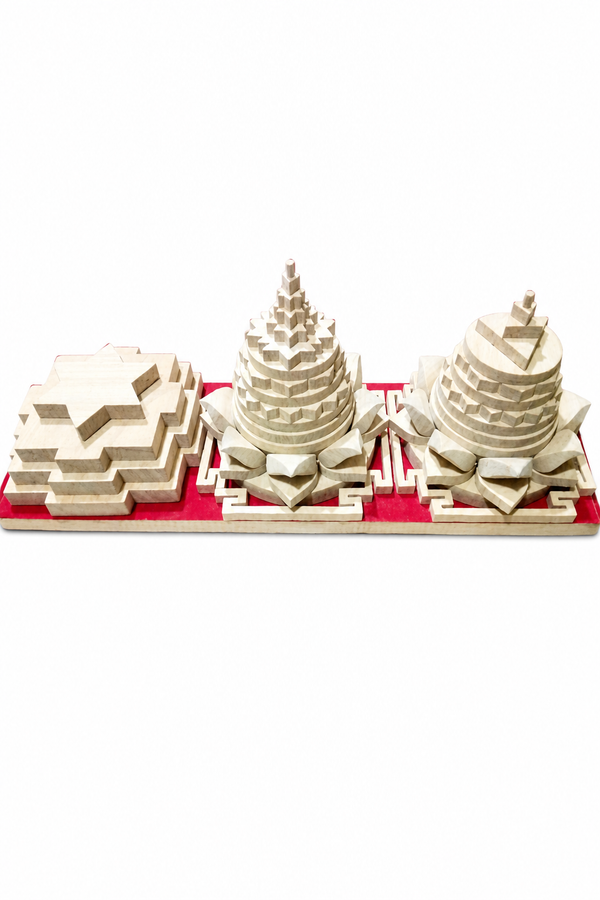
A Shivling (or Shiva Linga) is the sacred symbol through which millions of devotees worship Lord Shiva.
It can be found in ancient temples, village shrines, home mandirs, and pilgrimage sites across India and around the world.
A Shivling may be made from many different materials, including:
- Stone
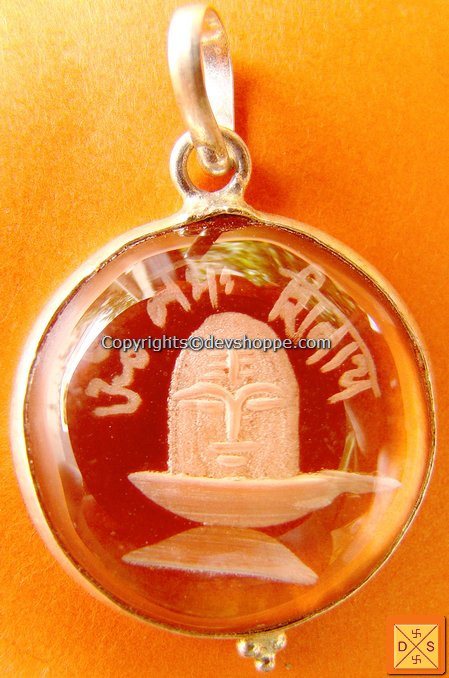
- Crystal (Sphatik)
- Parad
- Marble
- Narmadeshwar stone
- Metal
The material may differ, but the devotion remains the same.
For devotees, the Shivling is not simply an object. It is a sacred symbol that inspires prayer, meditation, and remembrance of Lord Shiva.
What Is a Jyotirlinga?
The word Jyotirlinga is made up of two Sanskrit words:
Jyoti means divine light.
Linga refers to the sacred symbol of Lord Shiva.
According to the Shiva Purana and long-standing Hindu tradition, Lord Shiva manifested as an infinite pillar of divine light. The places where this divine manifestation is traditionally believed to have appeared are revered as the 12 Jyotirlingas.
These twelve temples hold immense importance in Hindu tradition and are among the most sacred pilgrimage destinations for Shiva devotees.
The 12 Jyotirlingas
The twelve revered Jyotirlingas are traditionally listed as:
- Somnath (Gujarat)
- Mallikarjuna (Andhra Pradesh)
- Mahakaleshwar (Madhya Pradesh)
- Omkareshwar (Madhya Pradesh)
- Kedarnath (Uttarakhand)
- Bhimashankar (Maharashtra)
- Kashi Vishwanath (Uttar Pradesh)
- Trimbakeshwar (Maharashtra)
- Vaidyanath (traditions differ regarding its location)
- Nageshwar (traditions differ regarding its location)
- Rameshwaram (Tamil Nadu)
- Grishneshwar (Maharashtra)
Each of these Jyotirlingas has its own unique history, legends, architectural heritage, and religious significance, attracting millions of pilgrims every year. For millions of devotees, visiting these temples at least once in a lifetime is a cherished spiritual aspiration.
So, What Is the Difference?
Think of it this way.
A Shivling is the sacred form through which Lord Shiva is worshipped in homes and temples everywhere.
A Jyotirlinga is a specific Shivling associated with one of the twelve sacred pilgrimage sites traditionally believed to mark Lord Shiva's manifestation as divine light.
In simple words:
Every Jyotirlinga is a Shivling.But every Shivling is not a Jyotirlinga.
Is One More Powerful Than the Other?
This is another question that devotees often ask.
From my understanding, this is perhaps not the right way to look at it.
The power of devotion cannot be measured by location alone.
The twelve Jyotirlingas are revered because of their unique place in Hindu tradition and scripture. At the same time, devotees across the world experience deep peace and devotion while worshipping the Shivling in their own homes or local temples.
Ultimately, it is devotion, sincerity, and faith that give meaning to worship.
Can We Keep a Jyotirlinga at Home?
Traditionally, the twelve Jyotirlingas are sacred pilgrimage temples and cannot simply be "brought home."
However, many devotees keep a Shivling in their home mandir and worship it with love and reverence.
If you have questions about this topic, you may also like our detailed guide:
Can We Keep a Shivling at Home? Rules, Myths, Traditions & a Deeper Spiritual Perspective
Common Misconceptions
Myth: Every Shivling is a Jyotirlinga.
Reality: Only the twelve sacred pilgrimage shrines are traditionally recognised as Jyotirlingas.
Myth: Worshipping a Shivling at home is less meaningful.
Reality: Hindu traditions contain diverse practices. For countless devotees, daily worship at home is a deeply cherished part of their spiritual life.
Myth: You must visit all twelve Jyotirlingas for Lord Shiva's blessings.
Reality: Pilgrimage is a beautiful spiritual journey, but devotion can be expressed sincerely wherever one worships with faith.
Final Thoughts
The difference between a Shivling and a Jyotirlinga is not about deciding which is greater.
A Jyotirlinga represents one of the twelve sacred places where Lord Shiva is traditionally worshipped in a unique way.
A Shivling is the timeless symbol through which devotees remember, worship, and connect with Mahadev every day.
Perhaps what truly matters is not whether we stand before a Jyotirlinga or a Shivling, but whether our hearts are filled with humility, gratitude, and devotion.
Whether you worship at Somnath, Kashi Vishwanath, Kedarnath, or before a humble Shivling in your own home, what truly matters is sincere devotion. In the end, it is faith, not distance or grandeur, that brings a devotee closer to Mahadev.
Frequently Asked Questions
Is every Shivling a Jyotirlinga?
No. Every Jyotirlinga is a Shivling, but only twelve sacred temples are traditionally recognised as Jyotirlingas.
How many Jyotirlingas are there?
According to Hindu tradition, there are twelve Jyotirlingas.
Can I worship a Shivling at home?
Yes, many Hindu families worship a Shivling at home. Practices may vary depending on family traditions and spiritual guidance.
Is a Crystal or Parad Shivling a Jyotirlinga?
No. They are forms of Shivling used for worship and should not be confused with the twelve sacred Jyotirlinga pilgrimage sites.