Discover the spiritual meaning behind Sawan worship and why every offering is ultimately meant to transform the devotee - not the Divine.
Every Sawan, Millions Gather Before Shiva...
Before dawn breaks, temple bells begin to ring.
Some devotees walk barefoot for miles carrying Gangajal from sacred rivers. Others patiently wait in long queues holding a small pot of water, Bilva leaves, flowers, and a heart full of prayers.
The fragrance of incense fills the air.
The sound of "Har Har Mahadev!" echoes through temples.
Children imitate their parents. Elderly devotees silently chant "Om Namah Shivaya."
For a few moments, everyone is equal before Lord Shiva.
Yet, amidst this beautiful devotion, one question quietly waits to be asked.
Why do we offer these things at all?
Why water?
Why Bilva leaves?
Why Rudraksha?
Why camphor?
Why does Shiva, who is believed to own the entire universe, ask us to bring anything?
Perhaps...
He never did.
Maybe every offering was always meant for us, not for Him.
That is the forgotten beauty of Sawan.
The God Who Needs Nothing
Lord Shiva is unlike any other deity.
He does not wear a golden crown.
He does not live inside a magnificent palace.
His ornaments are serpents.
His clothes are simple.
Sacred ash covers His body.
His home is Mount Kailash.
His seat is a tiger skin.
His jewellery is Rudraksha.
Everything about Shiva reminds us that contentment is greater than possession.
If the Lord Himself lives beyond luxury, then surely He does not measure His devotees by the price of their offerings.
He measures something else.
The intention behind them.
Every Offering Has Two Meanings
Most of us grow up learning what to offer Lord Shiva.
Very few are taught why.
The rituals become habits.
The symbolism slowly disappears.
When that happens, worship becomes mechanical instead of meaningful.
Let's rediscover what each offering quietly teaches us.
Water - Wash the Mind Before the Shivling
Water is the simplest offering.
It is available to the rich and the poor alike.
Perhaps that is exactly why it comes first.
When we pour water over the Shivling, it is easy to imagine we are cooling the Divine.
But perhaps the ritual is actually asking another question.
Have you cooled your own anger today?
Have you forgiven someone?
Have you spoken gently?
Have you allowed your mind to become calm?
If not, then the real Jalabhishek is still waiting to happen.
Bilva Leaves - Three Leaflets, One Lesson
Every Bilva leaf has three leaflets.
Many interpretations connect them with different aspects of spiritual life, but one beautiful way to understand them is as three qualities every devotee can cultivate:
Humility
Gratitude
Self-control
Offering Bilva leaves becomes far more meaningful when we also try to offer these qualities in our daily lives.
Otherwise, the leaf remains only a leaf.
Milk - Purity Beyond Appearance
Milk has long been offered during Shiva worship as a symbol of purity, nourishment, and reverence.
But purity is not only about what we pour over the Shivling.
It is also about our thoughts.
It is easy to wear clean clothes for the temple.
It is much harder to keep the mind free from jealousy, resentment, or dishonesty.
Perhaps the milk reminds us to purify our hearts as much as our rituals.
Honey - Sweetness in Speech
Honey is naturally sweet.
Its symbolism is equally beautiful.
What if every drop of honey offered to Shiva reminded us to make our own words sweeter?
A harsh sentence can wound someone for years.
A kind sentence can heal someone in minutes.
Maybe the greatest honey offering is speaking with compassion.
Sandalwood - Stay Cool Even in Difficult Times
Sandalwood remains cool even in intense heat.
Life rarely does.
Sawan arrives during the rainy season when nature cools itself after months of scorching summer.
Perhaps sandalwood quietly teaches us to remain calm even when circumstances become uncomfortable.
Anyone can remain peaceful when life is easy.
True devotion is remaining peaceful when life is not.
Camphor - Burn the Ego, Not Just the Flame
Camphor has a remarkable quality.
It burns completely without leaving ashes.
This is why it holds such an important place in Hindu worship.
It reminds us that our ego, pride, and selfishness should disappear just as completely.
Every evening aarti asks a silent question.
Did your ego become smaller today?
Or only the camphor?
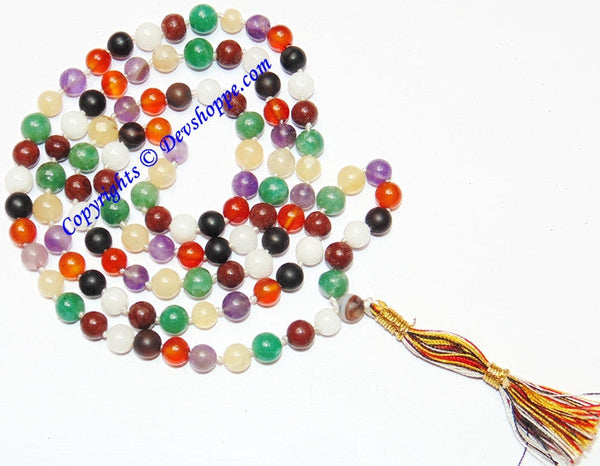
Rudraksha - More Than a Sacred Bead
Many people wear Rudraksha hoping for blessings.
Traditionally, Rudraksha is also associated with discipline and remembrance.
A mala is not merely an ornament.
It gently reminds its wearer to pause.
To breathe.
To chant.
To return the wandering mind to the Divine.
Without practice, even the finest Rudraksha becomes jewellery.
With sincere remembrance, it becomes a companion on one's spiritual journey.
The Offering Few People Think About
Imagine this.
A devotee performs an elaborate abhishek worth thousands of rupees.
Another quietly feeds a hungry person on the way home from the temple.
Which act pleases Lord Shiva more?
No one can claim to know the Divine mind.
Yet Hindu wisdom repeatedly reminds us that compassion is among the highest expressions of dharma.
Perhaps every Sawan should include not only prayers...
...but also kindness.
Feed a stray animal.
Help an elderly neighbour.
Donate clothes.
Forgive someone.
These offerings never dry up.
The Shivling Is Also a Mirror
This thought is rarely discussed.
Most of us stand before the Shivling asking for something.
Health.
Success.
Peace.
Protection.
But what if, for just one day, we stood before Shiva without asking?
What if we simply asked ourselves,
"What part of me needs to change?"
The Shivling then becomes more than an object of worship.
It becomes a mirror.
And that may be one of the deepest purposes of Sawan.
When Rituals Become Transformation
Suppose a person performs Jalabhishek every Monday.
But remains impatient.
Keeps hurting others.
Speaks harshly.
Lives dishonestly.
Then the water touched the Shivling...
But never touched the heart.
True worship begins when rituals slowly change our behaviour.
When our family notices we have become calmer.
Kinder.
More patient.
More truthful.
That is the greatest miracle Sawan can bring.
Creating a Sacred Space at Home
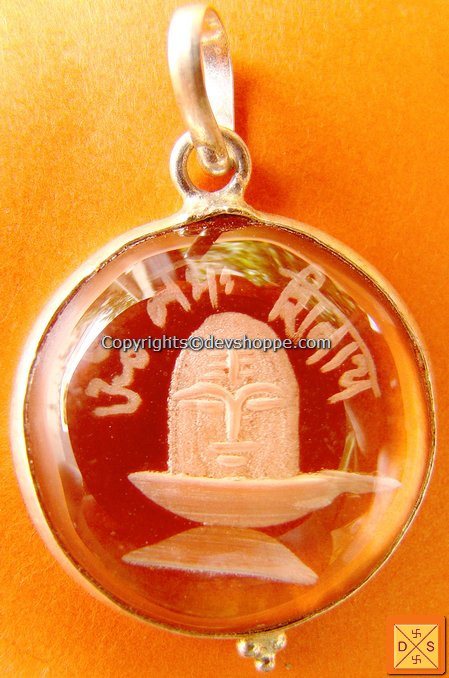
Many devotees choose to create a peaceful corner at home during Sawan with a Shivling, a Rudraksha mala for chanting, pure camphor for evening aarti, and other traditional puja essentials.
These objects are not substitutes for devotion.
They simply help create an atmosphere that encourages consistency, mindfulness, and daily remembrance of Lord Shiva.
After all, a quiet space often helps the mind become quiet too.
A Simple Sawan Practice Anyone Can Follow
Instead of trying to perform dozens of rituals perfectly, try this for the next 30 days:
Offer water with gratitude.
Chant "Om Namah Shivaya" for a few minutes.
Read one verse from a sacred text or reflect in silence.
Perform one act of kindness without expecting anything in return.
End the day by asking yourself, "Did I become a better person today than yesterday?"
If the answer gradually becomes "yes," then Sawan has already blessed you.
The Greatest Offering Is Invisible
Flowers fade.
Milk flows away.
Incense turns to smoke.
Camphor disappears.
Even Bilva leaves eventually dry.
But one offering remains forever.
A heart that becomes more humble.
A mind that becomes more peaceful.
A life that becomes more compassionate.
Perhaps that is what Lord Shiva has always been waiting for.
Not because He needs it.
But because we do.
Final Thoughts
Sawan is not merely a sacred month on the calendar.
It is an annual invitation to cleanse not only the Shivling, but also our thoughts, words, and actions.
Every offering in Shiva worship carries a quiet message. Water teaches calmness. Bilva leaves inspire humility. Milk reminds us of purity. Camphor asks us to let go of ego. Rudraksha encourages discipline and remembrance.
When these symbols begin to shape our daily lives, worship moves beyond ritual and becomes transformation.
This Sawan, as you stand before Lord Shiva with folded hands, remember that every flower, every drop of water, and every prayer carries its deepest meaning when it inspires you to live with greater kindness, honesty, and compassion.
Because perhaps what truly pleases Bholenath is not the grandeur of what we place before Him - but the goodness we carry back with us when we leave.
This Sawan, before offering water to the Shivling, ask yourself one simple question: "What can I offer that will make me a better human being?"
If your worship changes your behaviour, your Sawan has already been successful.
Har Har Mahadev!