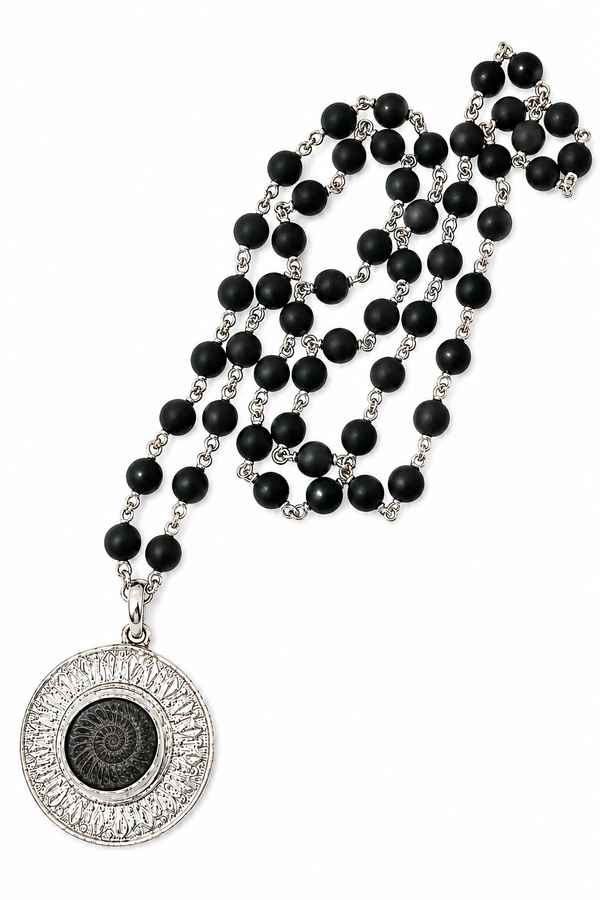
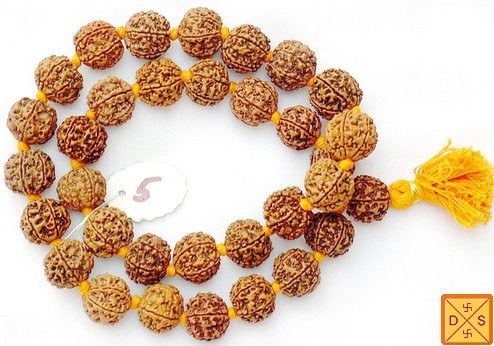
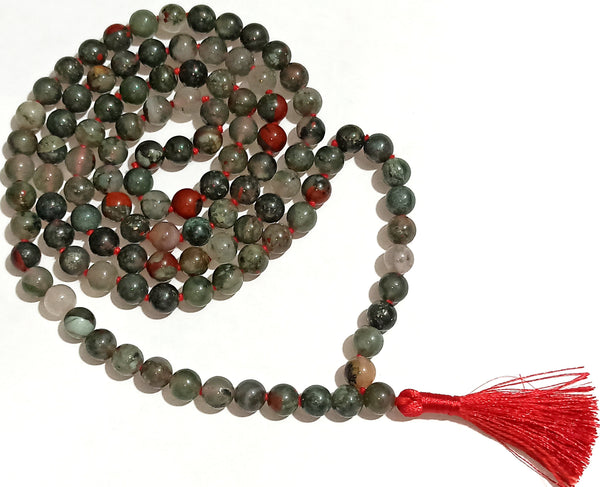
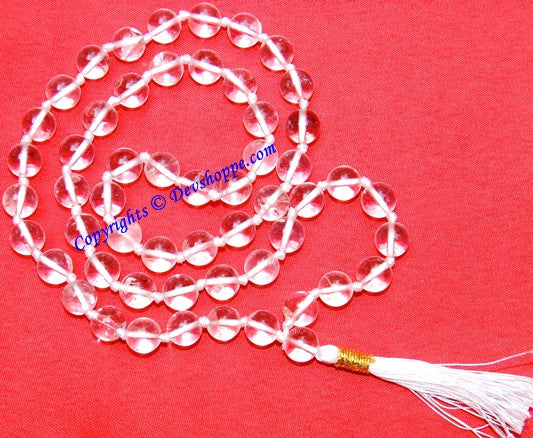
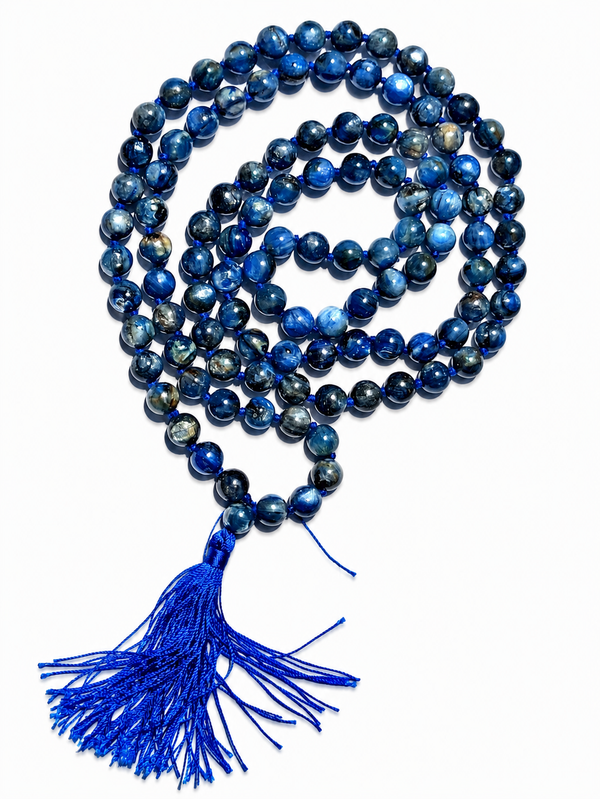
If you have ever used or purchased a mala, you may have noticed one bead that looks different, larger, or placed where the strand begins and ends. This special bead is known as the Guru Bead.
The Guru Bead is an important part of many malas used for meditation, prayer, and mindful counting. It is not just decorative - it holds symbolic and practical significance.
In this guide, we explain the meaning of the Guru Bead in simple language, including its purpose, placement, and why many people respect it during mala practice.
Quick Answer
The Guru Bead is the central or focal bead on a mala where the strand begins and ends. It symbolizes guidance, completion, gratitude, and a pause point during mantra counting or meditation.
What is a Guru Bead?
A Guru Bead is the bead placed at the top of a mala, usually connecting both ends of the strand. It is often slightly larger, shaped differently, or attached to a tassel.
You may also hear it called:
Meru Bead
Sumeru Bead
Head Bead
Teacher Bead
Central Bead
While names may vary, the idea remains similar.
Why is it Called the Guru Bead?
The word Guru traditionally refers to a teacher, guide, or source of wisdom. In mala symbolism, the Guru Bead represents:
- Respect for knowledge
- Gratitude to teachers
- Inner awareness
- Guidance on one’s path
- A reminder to pause mindfully
For many users, it becomes a symbolic point of reflection.
Practical Purpose of the Guru Bead
Beyond symbolism, the Guru Bead also serves practical functions.
1. Starting Point for Counting
When using a mala for mantra repetition or meditation counting, many begin at the bead next to the Guru Bead.
2. End Point of One Cycle
After completing one round of beads, the Guru Bead marks the completion of that cycle.
3. Pause and Reverse Direction
Some traditions avoid crossing over the Guru Bead while counting. Instead, the mala is turned around and counting continues in the opposite direction.
4. Keeps Structure Together
It often helps connect the strand neatly and may hold the tassel or knot.
Why Some Malas Have a Larger or Different Guru Bead
Many malas feature a Guru Bead that stands out from the rest. This can help:
Identify start/end point quickly
Improve counting flow
Add visual balance
Highlight symbolic importance
Some malas use gemstone Guru Beads, Rudraksha Guru Beads, carved beads, or decorative connectors.
Guru Bead in Different Types of Malas
Rudraksha Mala
Often uses a matching or larger Rudraksha bead.
Tulsi Mala
Usually a wooden Guru Bead consistent with the mala style.
Sandalwood Mala
May feature a polished wood Guru Bead.
Gemstone Mala
Sometimes includes a contrasting stone or accent bead.
Should You Count the Guru Bead?
Practices vary. Many people do not count the Guru Bead as part of repetition and instead use it as a marker bead. Others may follow personal or cultural traditions.
Is the Guru Bead Necessary?
Not every mala has one, but many traditional malas include it because it adds both meaning and practical usefulness.
A mala without a Guru Bead can still be used, but a Guru Bead often makes counting easier.
How to Identify the Guru Bead on Your Mala
Look for the bead that is:
At the top center
Near the tassel
Larger than others
Different in shape or color
Where both ends of the strand meet
Buying Tip: Check Guru Bead Quality
When buying a mala online, inspect:
Bead alignment
Knot strength
Secure attachment
Symmetry
Tassel connection quality
A well-finished Guru Bead often reflects better craftsmanship.
Frequently Asked Questions
Is the Guru Bead included in 108 beads?
Some malas count 108 plus Guru Bead separately. Designs can vary.
Can I cross the Guru Bead while counting?
Many traditions prefer reversing direction instead, though practices vary.
Is Guru Bead only for religious use?
No. Many people also use malas for mindfulness, meditation, or decorative purposes.
Does every mala have a Guru Bead?
No, but many traditional malas do.
Final Thoughts
The Guru Bead is a meaningful feature of many malas. It serves as both a practical counting marker and a symbol of guidance, gratitude, and completion.
Whether your mala is Rudraksha, Tulsi, Sandalwood, or gemstone, understanding the Guru Bead helps you appreciate the craftsmanship and tradition behind it.
Important Note: This article is for educational and informational purposes only. Mala traditions may vary by region, lineage, and personal practice.