Every home temple carries emotions.
A small diya used for years, an idol gifted by parents, an old mala used during difficult times, or a puja item connected with memories slowly becomes more than just an object.
It becomes a part of our spiritual journey.
This is why many people feel confused when a puja item breaks.
Should we keep it because we are emotionally attached?
Should we remove it?
Is it disrespectful?
For generations, many families have followed the tradition of not keeping broken or damaged puja items in the home temple. But the reason behind this practice is often misunderstood.
It Is About Respect, Not Fear
Many people immediately associate broken puja items with negativity or bad luck.
But traditionally, the deeper idea is not about fear.
In Indian culture, items used for worship are treated with respect because they represent devotion and spiritual connection.
Just like we keep our prayer area clean and peaceful, many people believe the objects placed there should also be maintained respectfully.
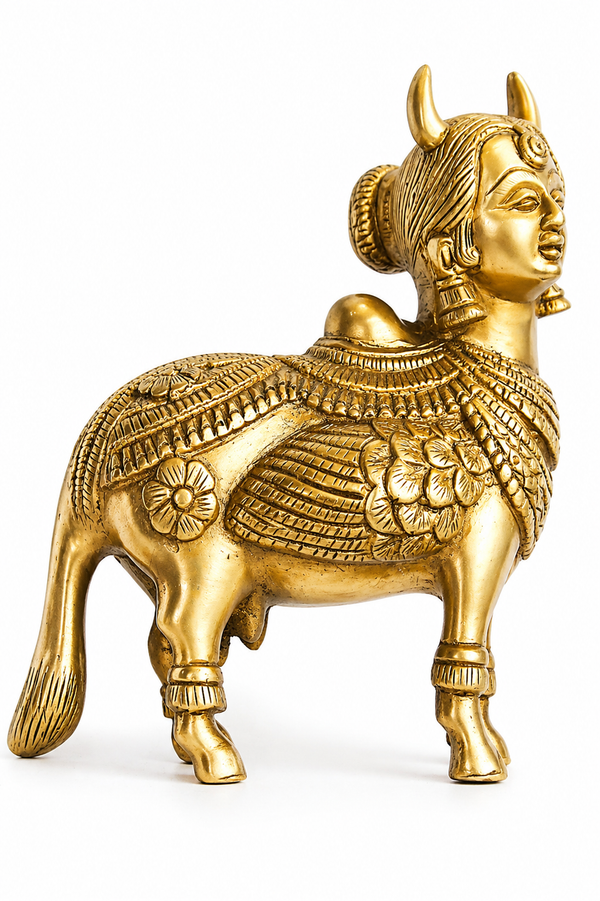
A broken idol, damaged mala, cracked diya, or damaged puja article is usually removed as a gesture of respect rather than fear.
Why Broken Idols Are Traditionally Removed From Puja Rooms
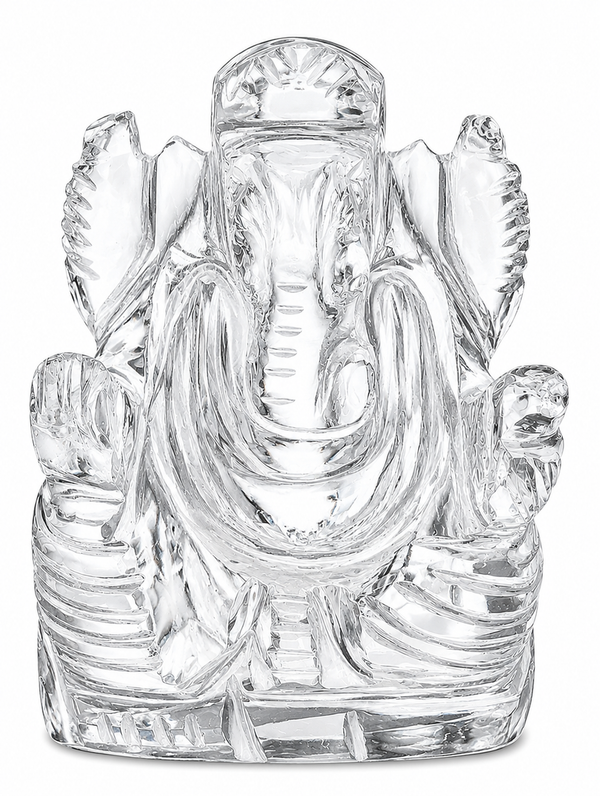
During regular worship, an idol becomes emotionally connected with our prayers, memories, and devotion.
When an idol gets damaged, many traditions suggest respectfully retiring it instead of continuing daily worship with a broken form.
The thought behind this is simple.
The physical form used for worship should represent completeness, care, and respect.
It is similar to how we would not offer damaged items to someone we deeply respect.
What Should Be Done With Broken Puja Items?
Different families and traditions follow different methods.
Some commonly followed practices include:
• respectfully immersing suitable items in flowing water where permitted
• placing them near sacred trees according to local traditions
• asking a temple priest for guidance
• following family customs passed down by elders
The most important thing is to handle them respectfully rather than throwing them casually.
What About Old Malas and Spiritual Items?
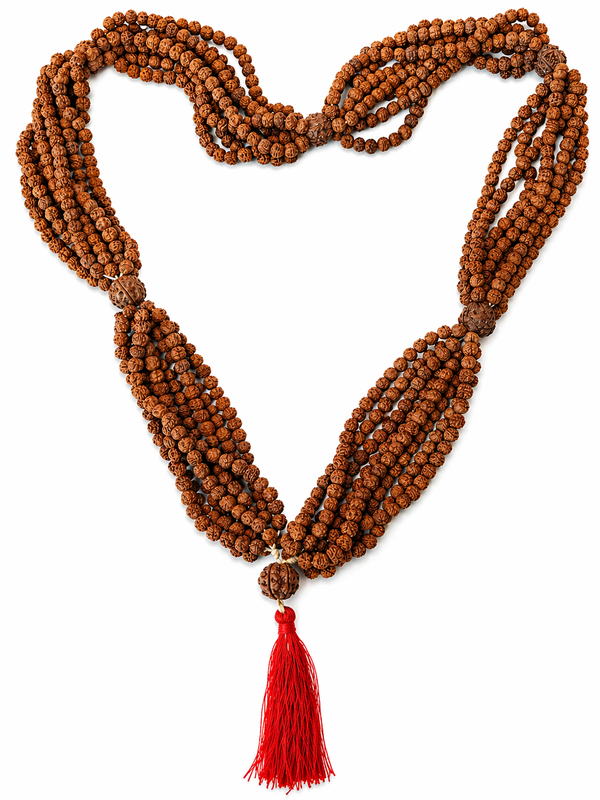
Sometimes a mala, Rudraksha, or spiritual item may become old because it has been used for many years.
There is a difference between something becoming naturally aged and something becoming damaged due to neglect.
Many devotees actually treasure old spiritual items received from their guru, parents, or grandparents because they carry emotional and spiritual memories.
Such items are often preserved respectfully even if they are no longer used daily.
Why Maintaining Your Puja Space Matters
A home temple is often the quietest corner of the house.
It is the place where people sit during:
• difficult phases
• moments of gratitude
• prayer
• meditation
• self-reflection
Keeping this space clean and cared for naturally creates a feeling of discipline and peace.
Replacing damaged puja items is not about superstition.
For many people, it is simply a way of showing respect towards their spiritual practices.
When Should You Replace Puja Items?
Many devotees consider replacing items when:
• an idol is broken or cracked
• a diya becomes damaged
• a mala thread breaks repeatedly
• puja articles become unusable
• items can no longer be maintained properly
The intention should always come from respect, not fear.
Final Thoughts
A broken puja item does not mean something bad will happen.
Spirituality should bring peace, not unnecessary worry.
The traditional practice of removing damaged puja items comes from the idea of maintaining purity, respect, and care towards the sacred space we create in our homes.
In the end, devotion is not only in the object.
It is also in how lovingly and respectfully we treat it.
Important Note
The information above is based on traditional beliefs and cultural practices followed by many families. Customs may vary according to region, family traditions, and personal beliefs.