If you have ever shopped for puja essentials, you may have noticed three common names: Kumkum, Sindoor, and Roli. Since all three are usually red ceremonial powders used in Hindu traditions, many people assume they are the same.
However, each has its own traditional significance, ritual purpose, and method of use.
Understanding the difference between kumkum, sindoor, and roli can help you choose the right option for daily worship, festivals, ceremonies, gifting, or temple rituals.
In this guide, we explain their meanings, traditional uses, and how to select quality puja products today.
What Is Kumkum?
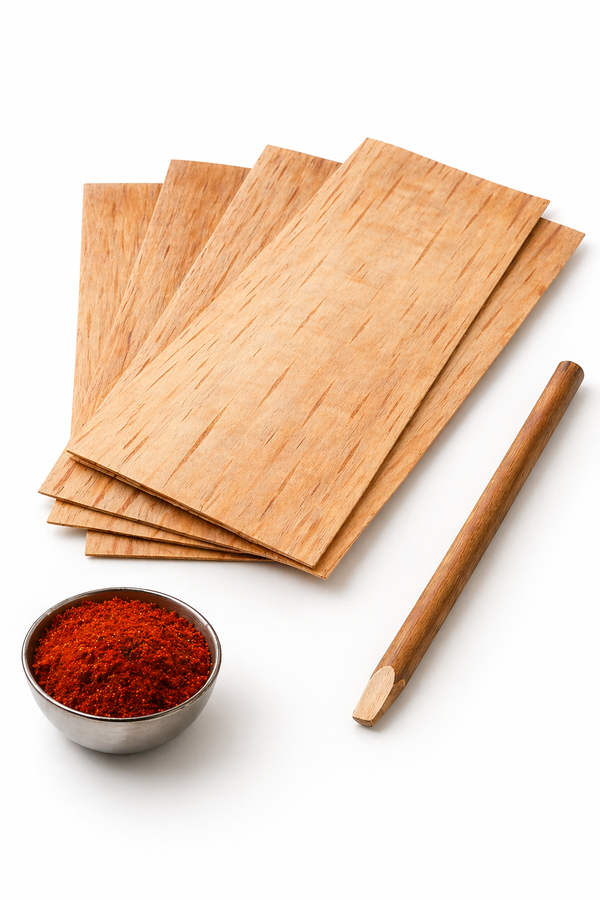
Kumkum is a sacred red powder widely used in Hindu worship and spiritual ceremonies. It is commonly applied as a tilak on the forehead and offered during pujas.
Traditionally, kumkum is associated with devotion, auspiciousness, and positive ceremonial practices.
Common Uses of Kumkum
Daily puja and temple worship
Forehead tilak
Welcoming guests
Navratri and Diwali rituals
Puja thali essentials
Religious offerings
Kumkum is usually bright red with a soft, smooth texture.
What Is Sindoor?
Sindoor is traditionally associated with married Hindu women, who apply it in the hair partition (maang) as part of cultural and religious customs.
It is also used in certain rituals, temple offerings, and festive ceremonies across different regions of India.
Common Uses of Sindoor
Traditional maang application
Religious ceremonies
Festival rituals
Temple offerings
Cultural customs
Sindoor may appear red, orange-red, or vermillion depending on regional traditions and preparation styles.
What Is Roli?
Roli is mainly used for ceremonial tilak during pujas, havans, weddings, and festive occasions.
It is especially popular during traditional family rituals and religious celebrations.
Common Uses of Roli
Raksha Bandhan
Bhai Dooj
Kalash puja
Housewarming ceremonies
Wedding rituals
Temple tilak ceremonies
Roli is generally preferred for ritual forehead tilak applications.
Difference Between Kumkum, Sindoor and Roli
Kumkum
Commonly used in daily puja and temple worship
Applied as forehead tilak
Associated with devotion and auspicious ceremonies
Usually bright red with soft texture
Sindoor
Traditionally associated with married Hindu women
Applied in the hair partition (maang)
Used in cultural and religious ceremonies
May appear red, orange-red, or vermillion
Roli
Mainly used for ceremonial tilak
Popular during Raksha Bandhan, Bhai Dooj, and pujas
Used in weddings and festive rituals
Prepared especially for ritual forehead application
How Were They Traditionally Made?
In earlier times, sacred powders were often prepared using natural ingredients and traditional household methods.
Traditional Kumkum
Traditionally prepared using turmeric processed naturally into ceremonial red powder.
Traditional Sindoor
Prepared using regional traditional methods that varied across communities and customs.
Traditional Roli
Prepared specifically for ceremonial tilak use with a smooth ritual texture.
Traditional preparation methods differed across India and cultural traditions.
Why Quality Matters Today
Today, the market offers many varieties of kumkum, sindoor, and roli. Some products may contain added colors, fillers, fragrances, or synthetic ingredients for brighter appearance or lower manufacturing cost.
That is why many buyers prefer checking:
- Ingredient transparency
- Smooth texture
- Trusted seller reputation
- Intended ritual purpose
- Traditional-style preparation
How to Choose Better Kumkum, Sindoor or Roli
When buying online or offline:
- Buy from reliable sellers
- Read product labels carefully
- Avoid overly harsh smell or rough texture
- Choose according to ritual purpose
- Prefer clear ingredient and usage descriptions
Which One Should You Buy?
Choose according to your requirement:
For daily puja: Kumkum or Roli
For festive tilak rituals: Roli
For traditional cultural use: Sindoor
For temple offerings: Kumkum
Shop Puja Essentials Online
At devshoppe.com, you can explore puja essentials including kumkum, sindoor, roli, camphor, malas, yantras, and more for your home temple and festive rituals.
Frequently Asked Questions
Is kumkum the same as sindoor?
No. Both may look similar, but their traditional usage and cultural significance differ.
Is roli the same as kumkum?
They may appear similar, but roli is mainly associated with ceremonial tilak rituals.
Which is best for puja?
Kumkum and roli are both commonly used in puja ceremonies.
Can men apply kumkum?
Yes. Kumkum tilak is traditionally applied by both men and women during worship and rituals.
Final Thoughts
Though they may look alike, Kumkum, Sindoor, and Roli each carry their own traditional importance in Hindu rituals and ceremonies.
Understanding these differences helps preserve cultural traditions and makes it easier to choose the right puja essentials for worship, festivals, gifting, and spiritual practices.
Whether for daily devotion or festive occasions, selecting the appropriate ceremonial powder adds greater meaning to rituals and traditions.