Shiva's Damru Devshoppe
Articles

Shiva's Damru

Shiva's Damru

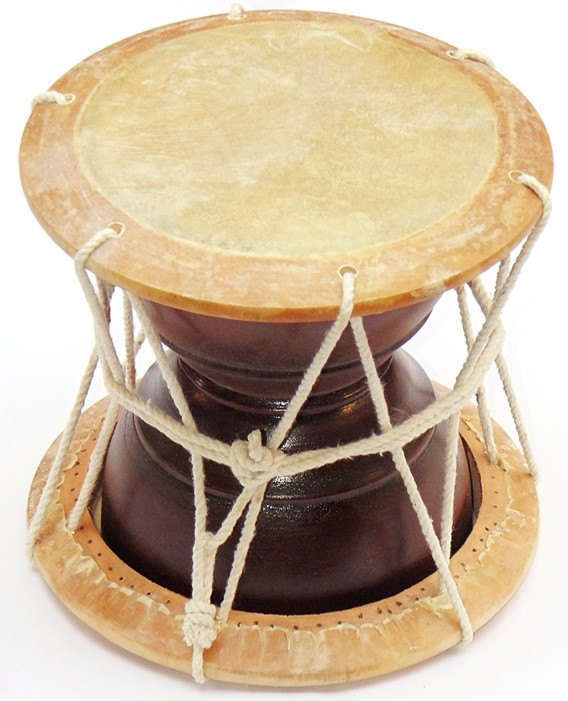
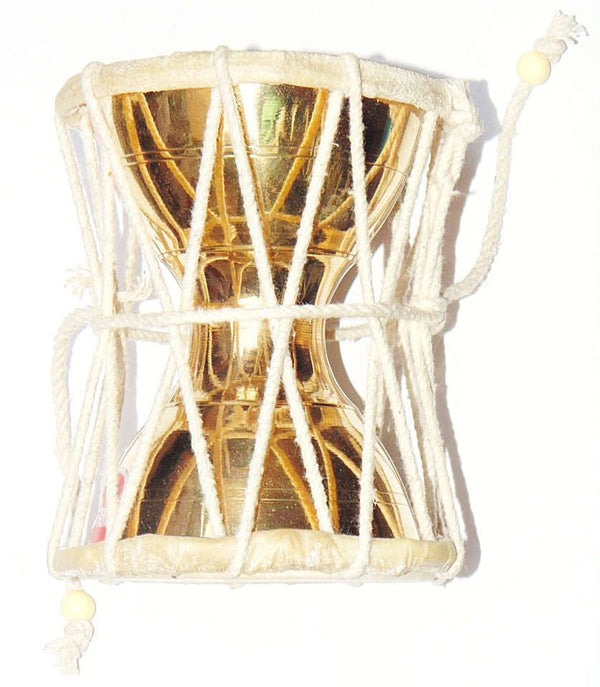
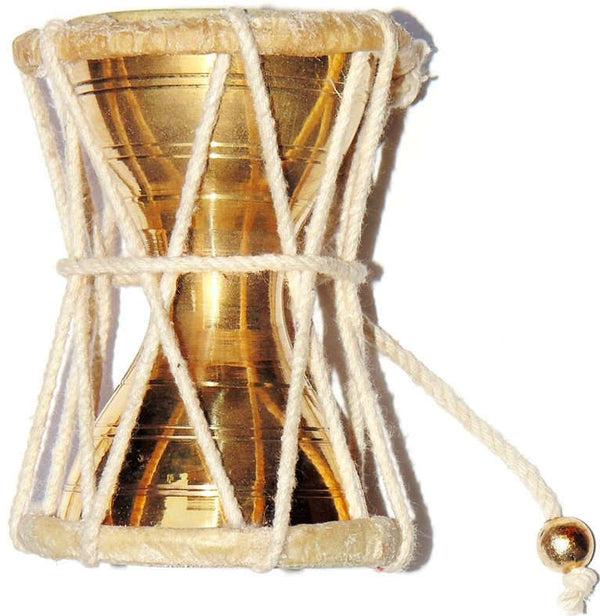
Shiva is depicted as holding a Damroo (Damru) – a small drum shaped like an hourglass. Shiva holding Damaru is popular in the Nataraja form. Sometimes he is shown in a dancing posture other than Nataraja and holding the Damaru. In some images the Damaru is tied to the Trishul or trident. The sound from Damaru symbolizes the sound that originates creation and perpetuates the universe.

In Hinduism, especially by Shiva devotees, it is believed that beating of the Damaru by Shiva produced the very first sound (nada). This first sound was made in the void of nothingness. Shiva began his dance of creation to the rhythm of the Damaru. From his dance, the world came into being.

There is also a symbolism regarding the shape of the Damaru - the top portion of the Damaru symbolizes the male creativity of procreation (the Lingam), and the downward representation symbolizes the female creativity of procreation (the Yoni). Symbolically, the creation of the world begins when the lingam and yoni meets at the mid-point of the Damaru, and the destruction takes place when both separate from each other.

There is also a legend that the sound Shiva made on Damaru was passed onto his son, Lord Ganesha, who was a famous pakawai player. He then added more sound and produced music.

Another interpretation of the sound of the Damaru suggests that the drum depicts the powers of the rhythm of the heart beat.

Another symbolism suggests the sound of Damaru symbolizes the words of the Vedas.

Naga Sadhus and other Saints worshiping Shiva carry a Damru. They produce the sound during worship and also while seeking alms.
Previous
Plants and Nakshatra
Next
Importance of Tilak
Print

Related Posts

Shravan Month: The Most Auspicious Time to Worship Lord Shiva
The holy month of Shravan (Sawan) holds a very special...
Why Bel Patra Is Offered to Lord Shiva: Scientific and Spiritual Reasons Explained
Offering Bel Patra (Bilva leaf) to Lord Shiva is one...
What Truly Pleases Lord Shiva During Sawan? The Deeper Meaning Behind Every Offering
Discover the spiritual meaning behind Sawan worship and why every...
Why Is Lord Shiva Known as Bholenath? The Beautiful Meaning Behind His Most Beloved Name
"Bholenath" is perhaps the name devotees use most lovingly when...
Why Is Nandi Always Facing Lord Shiva?
Walk into almost any Shiva temple in India, and you'll...
How to Worship Lord Shiva at Home During Sawan Without Visiting a Temple
You don't need a grand temple to connect with Lord...
Why Is Bhasma Applied to Lord Shiva? The Timeless Meaning Behind the Sacred Ash
If you've ever looked closely at an image or idol...
Shri Grishneshwar Jyotirlinga
Grishneshwar Jyotirlinga is one of the 12 Jyotirlinga shrines mentioned...